May 16 Kidnapping Sparks Security Policy Debate in Egypt
May 27, 2013 | Ahmed Abou Taleb
http://globalriskinsights.com/2013/05/27/may-16-kidnappings-indicative-of-insecurity-in-sinai/

On the 16th of May a group of gunmen conducted a daring attack against Egyptian security forces in Sinai . They kidnapped seven people, of which six were border control police and one an army soldier, who were heading back to their homes to spend their holiday. Seven days after the kidnapping the soldiers were freed. Although this is not the first time security personnel have been kidnapped in Sinai this group in particular were received by the President, the Minister of Defense and the Minister of Internal Affairs.
The incident, which led to a strike among border control police officers, resulted in the launch of a military operation to free the soldiers. It also provoked a wider debate on security on the Sinai peninsula, raising questions on whether it has became a new base for Al Qaida in the region. Likely, it draws attention to Egypt’s changing security policy under the country’s new leadership and the potential repercussions on the relationships with both Palestinians and Israelis.
Kidnapping is one of the many sorts of violence used against security authorities in Egypt after the revolution. It became a frequently employed technique by Bedouin tribes in order to contest government decisions or demand the release of condemned and sentenced members of the tribe. While usually used against tourists, kidnappings sometimes extended to police officers.
After the January 2011 revolution, police forces faced increasing attacks against its personnel, camps and police stations, which made it difficult to resume core tasks – especially in the troubled Sinai, where many policemen were substituted with military personnel. Being subject to brutal security measures under Mubarak regime, some of the peninsula’s tribes, particularly in the geographically challenging middle Sinai area, exploited the void. Not only did they start using heavy arms, usually coming from Libya or through Gaza channels, during their smuggling and trafficking activities. They also resorted to extreme force to revenge the police and especially the State Security Service and the public order Central Security Forces.
Army personnel targeting growing in Egypt
Yet, the 16th of May assault has novel elements to take into consideration. It is the first recorded case of an army officer being kidnapped. Bedouin tribes have dared to confront police forces several times but avoided confrontation with the army. During the chaos that followed the 2011 revolution, some military checkpoints were randomly shot at by unidentified armed men, but with hardly any injuries. The only recorded army officer death was during an attack on a police station in July 2011.
Egypt's President Mohamed Morsi
Direct organized violence against the army started for the first time last August, when a jihadist group launched a sudden and shocking attack on a military border camp, during the iftar evening meal in the holy fasting month of Ramadan, leaving 16 army recruits dead. The alarming attack reflected how some radical groups think of the army soldiers as “infidels”, against which fighting in Ramadan is a sort of holy war. With no one held responsible for that attack until now, violence against the military armed forces seems to be subject to a potential increase as well as normalization. Army personnel might no longer enjoy the immunity they have enjoyed in the region and eventually become targets to attacks and kidnappings, as the police personnel have been for the last two and a half years.
Another factor marking this incident is the usage of Al Qaida-like videos, a new technique emerging in Egypt. Few days after capturing the soldiers, the kidnappers issued a video featuring the soldiers being tied and blindfolded, each citing his name and affiliation. The army recruit was in the middle and directed a message to President Morsi and the Minister of Defense on behalf of the kidnappers. Their demands were to release a group of jihadists sentenced to death after having made an armed parade and launching a heavily armed attack on a police station and a court in the capital of Northern Sinai province in July 2011. Another video was released after the liberation of the kidnapped soldiers by a self-claimed jihadist group, which declared its intention to fight the Egyptian military everywhere in the country.
As Al Qaida has become more of an ideology, using a number of guerilla war and media techniques, rather than an organization, it is hard to tell if those who made the videos were directly affiliated with Bin Laden’s or Al Zawhiri’s Qaida. Furthermore, waging internal FARC-style warfare against the army in Egypt seems like a far-fetched and dismissed plot.
However, there is still a potential threat to Egypt’s Army. The military can become an easy target because most of its soldiers are recruits who are serving their one to three years of compulsory military service. Being spread all over the country makes them subject to assaults – on their holiday for example – just like the kidnapped soldiers. Moreover, many of them were......Read More
May 27, 2013 | Ahmed Abou Taleb
http://globalriskinsights.com/2013/05/27/may-16-kidnappings-indicative-of-insecurity-in-sinai/
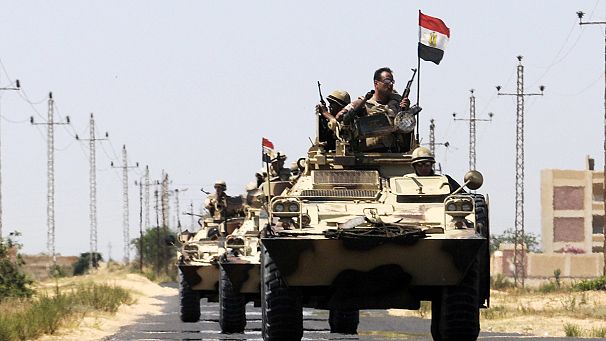
On the 16th of May a group of gunmen conducted a daring attack against Egyptian security forces in Sinai . They kidnapped seven people, of which six were border control police and one an army soldier, who were heading back to their homes to spend their holiday. Seven days after the kidnapping the soldiers were freed. Although this is not the first time security personnel have been kidnapped in Sinai this group in particular were received by the President, the Minister of Defense and the Minister of Internal Affairs.
The incident, which led to a strike among border control police officers, resulted in the launch of a military operation to free the soldiers. It also provoked a wider debate on security on the Sinai peninsula, raising questions on whether it has became a new base for Al Qaida in the region. Likely, it draws attention to Egypt’s changing security policy under the country’s new leadership and the potential repercussions on the relationships with both Palestinians and Israelis.
Kidnapping is one of the many sorts of violence used against security authorities in Egypt after the revolution. It became a frequently employed technique by Bedouin tribes in order to contest government decisions or demand the release of condemned and sentenced members of the tribe. While usually used against tourists, kidnappings sometimes extended to police officers.
After the January 2011 revolution, police forces faced increasing attacks against its personnel, camps and police stations, which made it difficult to resume core tasks – especially in the troubled Sinai, where many policemen were substituted with military personnel. Being subject to brutal security measures under Mubarak regime, some of the peninsula’s tribes, particularly in the geographically challenging middle Sinai area, exploited the void. Not only did they start using heavy arms, usually coming from Libya or through Gaza channels, during their smuggling and trafficking activities. They also resorted to extreme force to revenge the police and especially the State Security Service and the public order Central Security Forces.
Army personnel targeting growing in Egypt
Yet, the 16th of May assault has novel elements to take into consideration. It is the first recorded case of an army officer being kidnapped. Bedouin tribes have dared to confront police forces several times but avoided confrontation with the army. During the chaos that followed the 2011 revolution, some military checkpoints were randomly shot at by unidentified armed men, but with hardly any injuries. The only recorded army officer death was during an attack on a police station in July 2011.
Egypt's President Mohamed Morsi
Direct organized violence against the army started for the first time last August, when a jihadist group launched a sudden and shocking attack on a military border camp, during the iftar evening meal in the holy fasting month of Ramadan, leaving 16 army recruits dead. The alarming attack reflected how some radical groups think of the army soldiers as “infidels”, against which fighting in Ramadan is a sort of holy war. With no one held responsible for that attack until now, violence against the military armed forces seems to be subject to a potential increase as well as normalization. Army personnel might no longer enjoy the immunity they have enjoyed in the region and eventually become targets to attacks and kidnappings, as the police personnel have been for the last two and a half years.
Another factor marking this incident is the usage of Al Qaida-like videos, a new technique emerging in Egypt. Few days after capturing the soldiers, the kidnappers issued a video featuring the soldiers being tied and blindfolded, each citing his name and affiliation. The army recruit was in the middle and directed a message to President Morsi and the Minister of Defense on behalf of the kidnappers. Their demands were to release a group of jihadists sentenced to death after having made an armed parade and launching a heavily armed attack on a police station and a court in the capital of Northern Sinai province in July 2011. Another video was released after the liberation of the kidnapped soldiers by a self-claimed jihadist group, which declared its intention to fight the Egyptian military everywhere in the country.
As Al Qaida has become more of an ideology, using a number of guerilla war and media techniques, rather than an organization, it is hard to tell if those who made the videos were directly affiliated with Bin Laden’s or Al Zawhiri’s Qaida. Furthermore, waging internal FARC-style warfare against the army in Egypt seems like a far-fetched and dismissed plot.
However, there is still a potential threat to Egypt’s Army. The military can become an easy target because most of its soldiers are recruits who are serving their one to three years of compulsory military service. Being spread all over the country makes them subject to assaults – on their holiday for example – just like the kidnapped soldiers. Moreover, many of them were......Read More


